Physical Address
304 North Cardinal St.
Dorchester Center, MA 02124
Physical Address
304 North Cardinal St.
Dorchester Center, MA 02124


Muguka and miraa are well known for their stimulating effects. These two herbal stimulants are often confused with each other, yet they are very distinct in origin, potency, and popularity. Understanding the difference between muguka and miraa offers insight into their cultural significance and the ongoing debate surrounding their use. So, what is the difference between muguka and miraa?
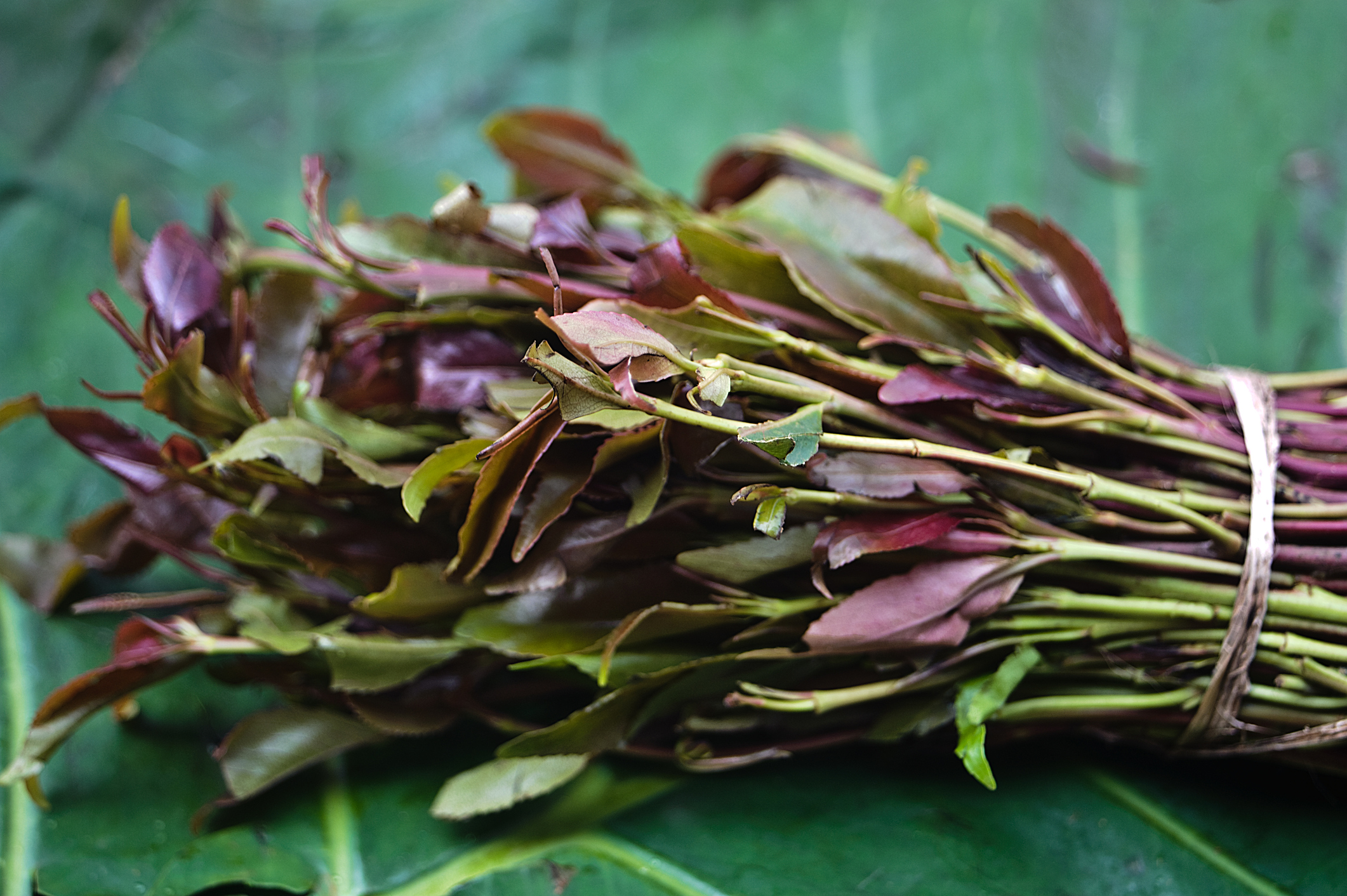
As these leafy stimulants become more widespread, they expose a deeper connection to the culture of the people of Kenya and their identity. What makes them stand out, and why are more people turning to these stimulants in Kenya’s rural and urban areas?
While muguka and miraa are often grouped together, they are far from identical. From their growing regions to their market value, these two plants offer unique experiences. Below are the key differences between muguka and miraa:
| Characteristic | Muguka | Miraa |
| Appearance of the plant | Smaller and more robust leaves | Larger and more delicate leaves |
| Potential | Stronger, quicker effects | Milder, prolonged stimulation |
| Growing region | Grown in Mbeere North and South in Embu County | Primarily grown in Igembe North, South and Central and Tigania, Meru County |
| Price | Relatively cheaper | More expensive |
| Harvesting method | Requires less delicate handling- farmers only pluck the leaves | Needs careful harvesting for quality, and farmers here usually pluck the shoot(stem) |
| Maturity period | 7 days | 28 days |
No, miraa and muguka are not the same. While both are stimulant plants, muguka is a variant of miraa with smaller and more robust leaves. Both miraa and muguka have cathine and cathinone, but the potency is high in the leaves, which is muguka. It is considered more robust, quicker in effect, and cheaper, while miraa offers a milder, longer-lasting stimulation.
The price of miraa and muguka varies based on quality, region, and market demand. On average, a bundle of muguka may cost Ksh 50, while miraa can range from KSh 150 to KSh 200.
Another name for miraa is khat (scientifically known as Catha edulis). Other names used to mean miraa are qat, chat, qaad, murungu and Arabian or Abyssinian tea.
Yes, khat (miraa) can potentially lead to weight loss. This is because it acts as an appetite suppressant due to the stimulant properties of cathinone, the active compound in khat. Chewing khat can reduce feelings of hunger, leading to decreased food intake. However, long-term reliance on khat for weight control can have adverse health effects, including malnutrition and digestive issues.
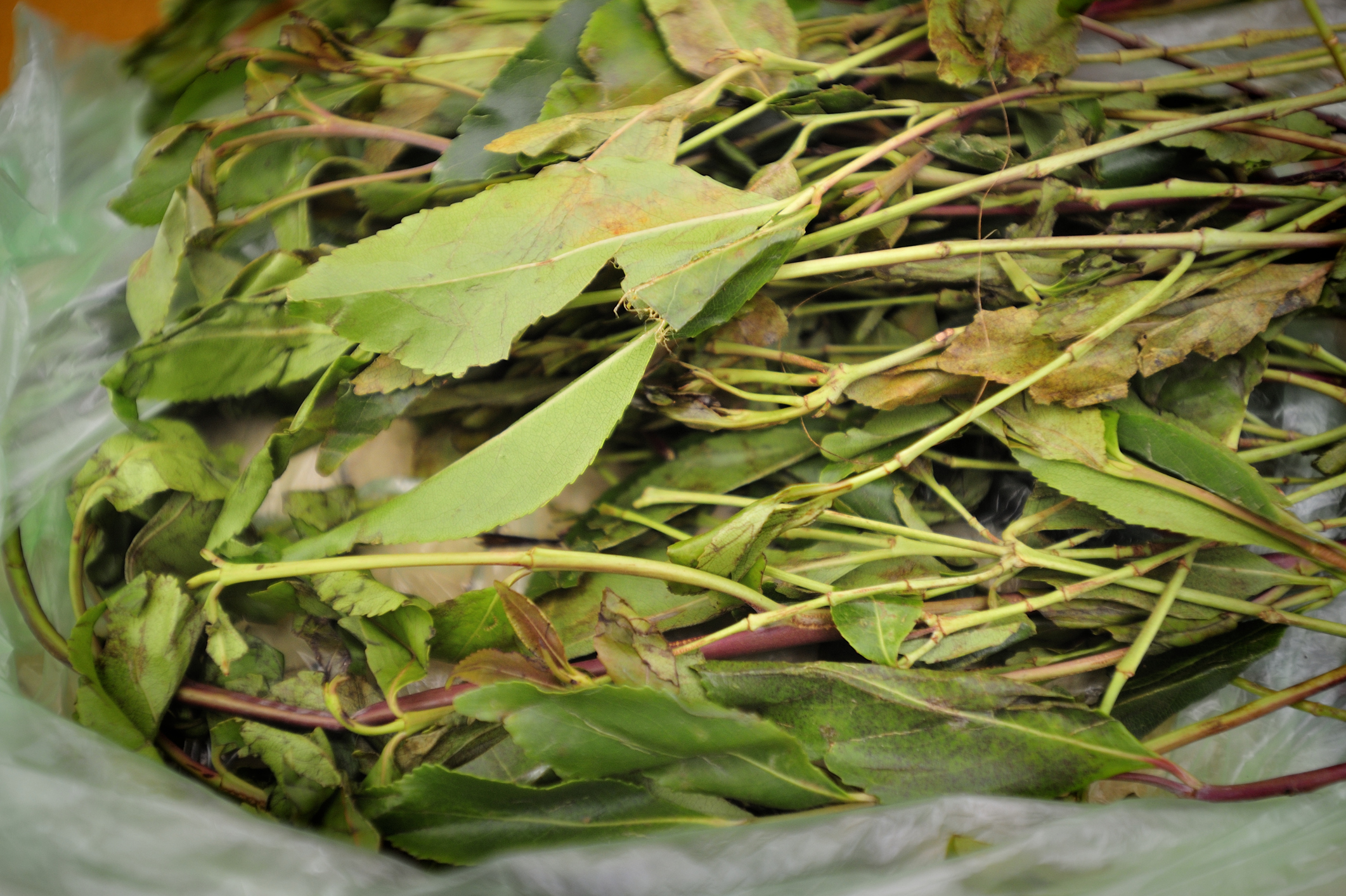
Muguka does not have a direct English name. It is a variant of khat, known for its stimulant properties.
Both muguka and miraa are chewed. Users often enjoy their stimulating effects over prolonged periods. Some people prefer to drink water or sugary drinks to enhance the experience. Other users prefer chewing them with roasted groundnuts or bubble gum.
No, there are no legal restrictions on miraa in Kenya. The Kenyan government recognised it as a legal cash crop grown in regions like Meru. While miraa has been banned in several other countries due to its stimulant properties, it remains legal in Kenya. However, counties such as Mombasa and Kilifi are considering banning or controlling muguka use, citing its diverse effects on residents.
Both miraa and muguka have stimulant effects due to the presence of cathinone, but they differ in intensity. Some of the short-term effects of miraa and muguka include:
They can also lead to long-term effects such as
With a better understanding of the differences between muguka and miraa, you can now make a more informed choice. Whether you are interested in their stimulating effects or their economic impacts, knowing their distinctions is key.




[…] main difference between a pixie orange and a tangerine is size. Tangerines are smaller, less round, and flat. They […]