Physical Address
304 North Cardinal St.
Dorchester Center, MA 02124
Physical Address
304 North Cardinal St.
Dorchester Center, MA 02124

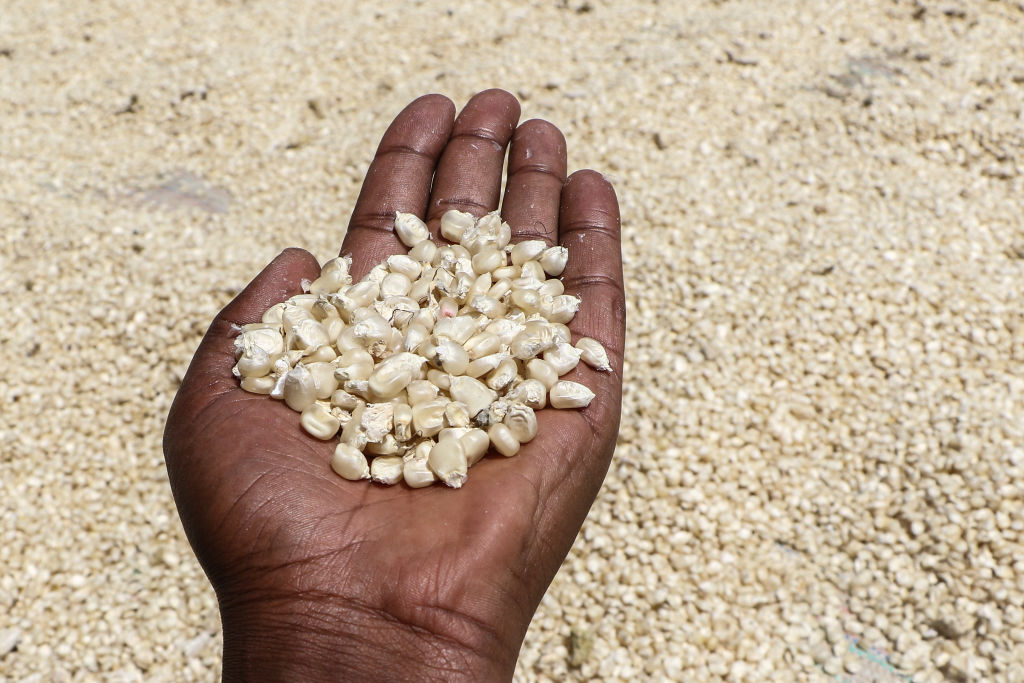
A farmer’s reprieve, as with any entrepreneur, is to maximize their output, which means going for a bountiful harvest. Make the proper steps in your pre-planting phase, like setting up the ultimate foundation, and move smartly during the growing phase. Maize is a staple in Kenya, which means it has high demand. The crop’s versatility means it grows well in various ecological zones and isn’t labour-intensive. So, if you plan on embarking on a maize-growing enterprise, you are probably wondering about the expected yield. So, the burning question has always been, “How many bags of maize per acre in Kenya?”
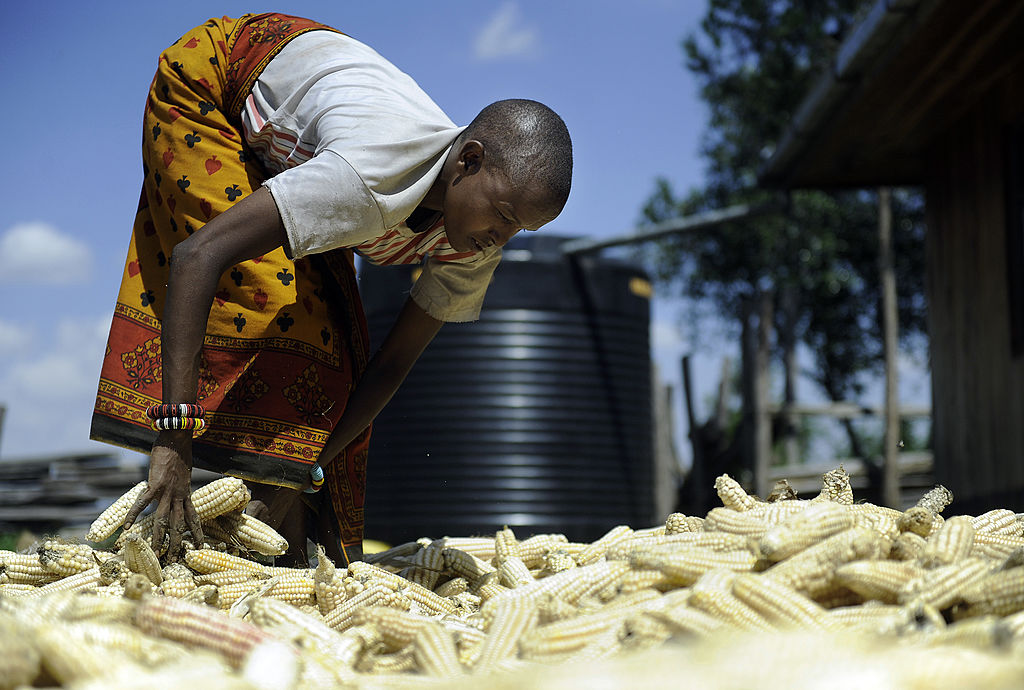
Many factors come into play when it comes to farming, and you will be fascinated by just how straightforward it is to achieve the highest yield for your maize farm. Some say it is 40 bags per acre while others quote a higher and some even a meagre figure. What is the yield for those embarking on maize farming in Kenya?
Agcenture states that the average maize yield per acre in Kenya is between 16 and 20 bags for small-scale and large-scale farmers, respectively. However, some sources state that with the ideal farming techniques, you can get up to 40 bags of maize in one acre.
What is the secret to harvesting 40 bags of maize an acre? The secret lies in many things that are within and without your control. Remember that high yields come from a combination of plant nutrients and other environmental factors that are not in your control, so it is best to maximize what you can control.
You ought to take the proper steps all the way. This means using the suitable variety for the ecological zone where you are planting your maize, applying fertilizer and pesticide on time, and practising proper post-harvesting practices.
Ploughing immediately after harvesting and leaving the crop residue on the soil works wonders regarding land preparation. Many farmers make the mistake of excessively ploughing their land and exposing the soil, thereby causing critical moisture loss, which is integral during the first growing phase of your maize.
Fertilizer is another aspect of planting you should take seriously, as it directly affects your yield. Many make the mistake of using fertilizer mindlessly without testing the soil. Ascertain that you test the soil continually and utilize fertilizer based on the nutrient deficiency detected in the soil.
Going for organic fertilizer like manure can be a significant boost as it has properties not ordinarily present in regular inorganic fertilizers. Manure can enhance water retention by altering the soil structure. The organic fertilizer also increases soil aeration and soil microbial activities.
Kenya has four maize varieties: highland, medium-altitude, transitional, and lowland. Therefore, it is integral that you use a suitable variety for your location, and apps like Mbeguchoice can help you figure out the best.
You can choose whether to go with the open-pollinated variety, local or hybrid seeds. Surprisingly, there are three months maize seeds in the market as well. An acre requires around 10 kilograms of seeds.
On top of the above essential factors to achieve the highest yield in Kenya, you can ensure that the following are done well:
Planting is what determines the yield and crop quality. Therefore, using the proper planting techniques ensures a high yield.
The amount of fertilizer you apply on your farm depends on the type of fertilizer and the application timing. Other factors, like the rainfall rate, affect the application rate. For instance, the application rate for a low-rainfall area differs from that of a high-rainfall region.
The most common fertilizers for maize are C.A.N and urea fertilizers. You should use 160 kg of Nitrogen for a good harvest of more than 30 kgs of maize per acre. If you plan to harvest 30 kgs of maize per acre and use Urea as the top-dressing fertilizer, you must apply around 350 kgs of Urea. That is 100 kgs for every area you apply. The math is as follows:
100 kgs of urea = 46 kg of Nitrogen
How many kgs of Urea will supply 100 kgs of Nitrogen?
Therefore, you will need 350 kgs of Urea for an acre of maize, requiring 160 kgs of Nitrogen.
How much does it cost to plant maize in Kenya per acre?
Of course, the cost of planting maize in Kenya varies depending on factors like water availability, variety, desired yield and much more. It will cost you between Ksh.7,850 and Ksh.23,400 per acre.
Profitability varies with how you do your planting. Potential profits range from Ksh.5,675 to Ksh.18,395 per acre in Kenya. However, some have further stated that it might be profitable for small-scale farmers to lease their land for the best income. You should always target the highest yield of more than 30 bags per acre to break even.
The common question of “How many bags of maize per acre in Kenya?” has a simple answer. Use the appropriate planting techniques. This involves land preparation, appropriate seed variety, and proper care for your crop.





[…] providing fertilisers to farmers, NCPB also offers subsidised farm products, including maize, beans, green grams, wheat, rice, fertiliser, seed and soil conditioners. Follow the steps shared […]
[…] you can apply Farmyard Manure (F.Y.M.) at 4 tonnes per acre (approximately one handful per hole). Note that F.Y.M. should be used 3 months before planting of […]