Physical Address
304 North Cardinal St.
Dorchester Center, MA 02124
Physical Address
304 North Cardinal St.
Dorchester Center, MA 02124

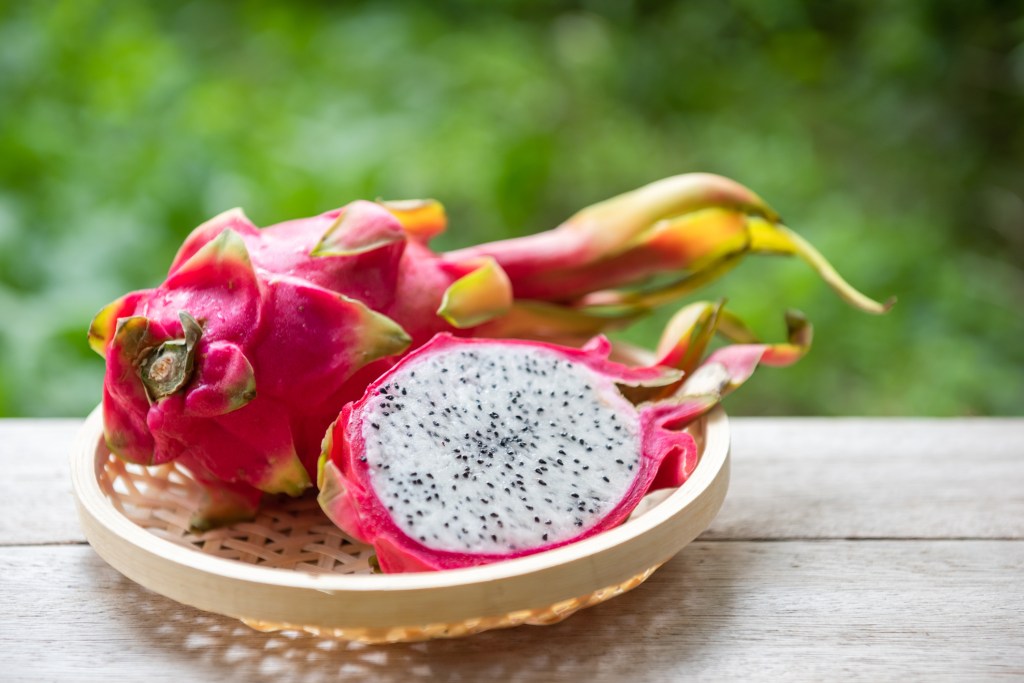
Dragon fruit is a tropical fruit that is low in calories high in fibre and antioxidants. Other names for dragon fruit include pitaya, pitahaya, and strawberry pear. With its unique appearance and refreshing taste, the demand for dragon fruit is gradually rising in Kenya. Knowing the various techniques applied in growing these nutritious fruits is essential for profitability. That said, how is dragon fruit farming in Kenya done?

Dragon fruit farming in Kenya is one of the most profitable venture, considering the fruit’s growing demand. However, like other crops, it requires specific soil and climatic conditions to thrive. Understanding the basics of cultivating dragon fruits will allow you to achieve maximum yields therefore attracting more sales.
The dragon fruit adaptability to various climatic conditions enables farmers in Kenya to tap into this agribusiness. Here is a comprehensive guide on how to plant dragon fruits.
These nutritious fruits grow easily from seeds. Below are the steps you can take to grow them from seeds.
When it comes to growing dragon fruits from cuttings, follow this step-by-step approach to maximise your yields.
First, break off a segment 30-50cm long from a mature dragon fruit plant. Ensure each cutting you make has a node or a nub on the stem, where new growth can develop. Afterwards, leave the cuttings in a dry, shady spot for a week to allow the cut end to seal and prevent rotting.
Insert the cuttings into the soil, burying one-third of each cutting. Make sure the nodes are below the soil surface. Plant your cuttings 5 to 10 cm deep to ensure they are stable and have sufficient soil contact for root development.
Remember to space the plants approximately 2 meters apart in rows that are 2-3 meters apart. This will allow ample room for growth and air circulation.
You should water the plants after planting to settle the soil around them. Be careful not to overwater, as the cuttings are sensitive to excess moisture.
You can provide support to your dragon plants by using concrete or wooden columns. This ensures proper growth more so, to the immature plants.
If you opt to plant your cuttings in pots, you can transplant them once they have established roots. You can then move them to your desired growing location on the ground or in larger containers.
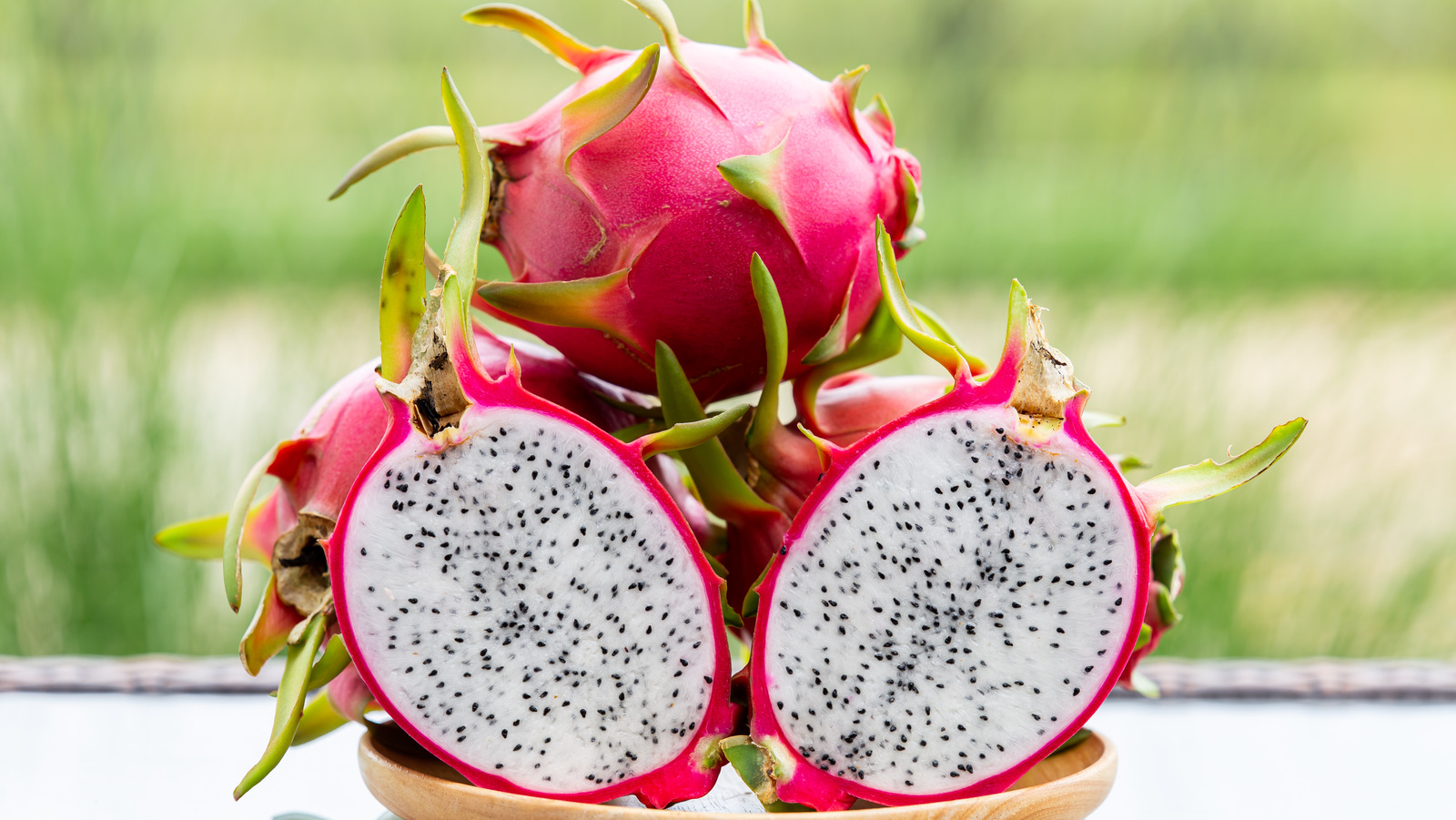
The time it takes for a dragon fruit plant to bear fruits varies depending on the local climatic conditions. However, the fruits are usually ready for harvest a month after flowering.
Below are the main varieties of dragon fruits grown in Kenya.
The optimal soil pH for dragon fruit is between 6 and 7, slightly acidic to neutral. You can also improve the fertility of the soil using well-rotted manure or using chemical fertilisers that are rich in nitrogen, phosphorous and potassium.
Dragon fruits thrive in regions in Kenya with warm temperatures and well-draining sandy or loamy soils. A good example is Malindi. The fruit is relatively resistant to drought conditions, making it suitable for arid and semi-arid areas in Kenya. Other areas conducive to dragon fruit farming in Kenya include Mombasa, Meru, Lamu, Kilifi, Garissa and Tana River.
It is recommended to plant approximately 2000 dragon fruit per acre. A spacing of 2 metres between the lines and 2 metres from pole to pole within the line is also recommended for a higher yield.
Per Frutunda, dragon fruit farming in Kenya requires an approximate cost ranging between Ksh 200,000 to Ksh 500,000 per acre. However, this depends on the management practices and seedling price.
Dragon fruit is currently the most expensive fruit in Kenya. According to Oxfarm Organic, the price for a kilo of dragon fruit ranges from Ksh 800 to Ksh 1500.
Assuming you plant 2000 dragon fruit plants on an acre of land and each plant produces a fruit weighing 0.5 kg, you will harvest around 1000 Kg. Since a kilo ranges from Ksh 800 to Ksh 1500, you will earn approximately Ksh 800,000 to Ksh 1,500,000 per acre. Including the expenses you might have incurred along the way, there is a high likelihood that the profit margin is high.
Dragon fruit farming in Kenya is a rewarding agribusiness because it involves growing one of the most expensive fruits. Remember to apply the correct techniques of planting and harvesting for better yields. With the above knowledge, you can try your luck with this nutritious fruit.