Physical Address
304 North Cardinal St.
Dorchester Center, MA 02124
Physical Address
304 North Cardinal St.
Dorchester Center, MA 02124


In Kenya, beekeeping is far more than a means of producing honey. It is a way to nurture the environment while enjoying the sweet rewards of honey. With various hives to choose from, understanding which one suits your needs is key to your success. So, which are the best types of bee hives in Kenya?
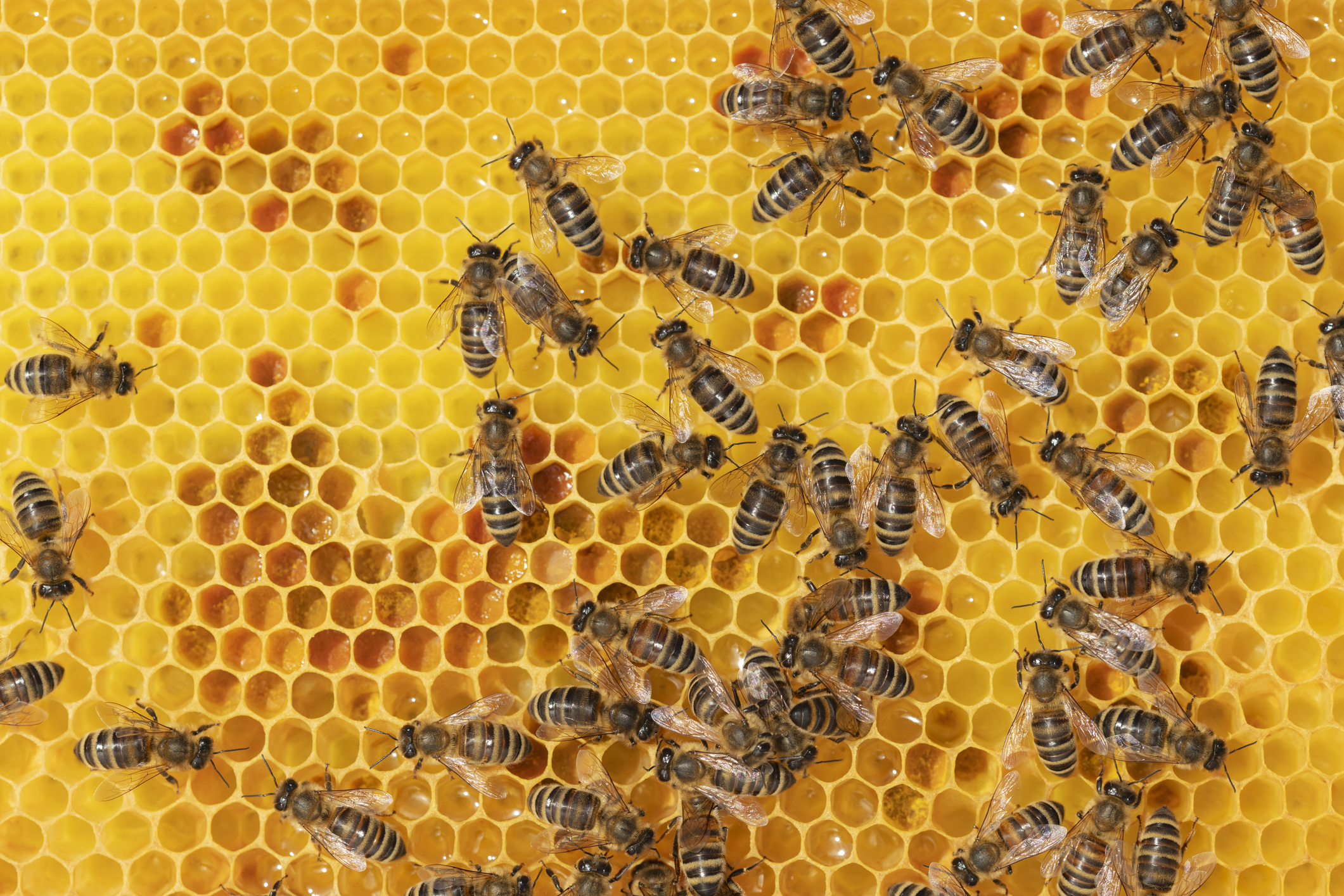
Choosing the right hive can transform your beekeeping experience by ensuring healthy bees and better honey quality. An overview of some of the best types of bee hives in Kenya will help you find the perfect match for your bees. Here are some of the bee hives you can explore.
In Kenya, beekeepers use various hive types, ranging from traditional designs to more modern and efficient options. Below are some of the traditional bee hives in Kenya.
This simple, rectangular wooden hive has a single compartment where bees build their honeycomb. Small-scale beekeepers often use it due to its low cost and ease of use. Bees are allowed to work naturally without much interference, making it a low-maintenance option.
This is a traditional design that uses hollowed-out logs. It is made using a relatively aged tree trunk and creating a hollow where bees are expected to dwell. Small holes are made on one side for the bees to enter and leave.
It is also where the queen and brood stay, and it is only opened when checking on them. It is a low-cost option, often placed in trees to protect the colony from predators. However, it can be challenging to harvest honey without damaging the combs.
This is a modified version of a log hive used by the Tugen community in Baringo County. Usually, the log is split into two halves along its length. This design is preferred because it makes harvesting honey and handling the hive easier.
The kapkuikui super log hive gives higher honey yields while maintaining the natural design that bees are familiar with. It is raised off the ground, improving its longevity and reducing interference from pests and predators.
The barred-box hive consists of a rectangular box with bars where bees can attach their combs. It combines elements of both traditional and modern hives, providing a sturdy structure for easy maintenance. Bees use the top chambers to store honey, which are the harvested areas.
Below are some of Kenya’s most commonly used modern hives and their benefits.
The langstroth hive is one of the most popular modern hives in the world. It consists of multiple stacked boxes containing removable frames where bees build their honeycomb. This design makes it easy to harvest honey and inspect the colony without disturbing the bees.
Below are some of the pros of using the langstroth beehive in Kenya.
Here are some of the cons of using a langstroth beehive.

The Kenya top bar hive is a horizontal hive that allows bees to build their comb on top bars. There are two types: original type and improved type (with queen excluder). The hive rests at a comfortable height, allowing for easy access to honeycombs.
Here are some of the advantages of choosing the Kenya top bar hive for beekeeping.
Below are some of the drawbacks of Kenya’s top bar hives.
To get the most honey from your hives:
The best beehive in Kenya depends on your goals and resources. The langstroth hive is highly recommended for large-scale commercial beekeeping due to its high honey yield and ease of management. However, for small-scale farmers or beginners, the Kenya top bar hive is popular because it is affordable, easy to build, and requires less maintenance.
The four main types of beehives include:
According to Farmers Review Africa, 50 hives occupy a quarter of an acre. Therefore, the recommended number of bee hives per acre in Kenya is around 200 hives. This ensures that the bees have enough access to nectar and pollen from the surrounding plants without overloading the environment. However, the number can vary depending on the availability of flowering plants and water sources.
With the insights provided above about the types of bee hives in Kenya, finding the best one for your beekeeping needs becomes much simpler. It all comes down to understanding your bees’ needs, the local environment, and your production goals. Whether you choose a traditional or modern hive, the options discussed above will help you maximise your honey yield and ensure the health of your colonies.