Physical Address
304 North Cardinal St.
Dorchester Center, MA 02124
Physical Address
304 North Cardinal St.
Dorchester Center, MA 02124


Have you been looking for the correct protocol for administering vaccines to your poultry? If that is the case, then you are in for a treat. It is essential for you to learn what vaccines your birds need, when they should be administered, and what they prevent. Therefore, what is the precise vaccination schedule for poultry in Kenya?
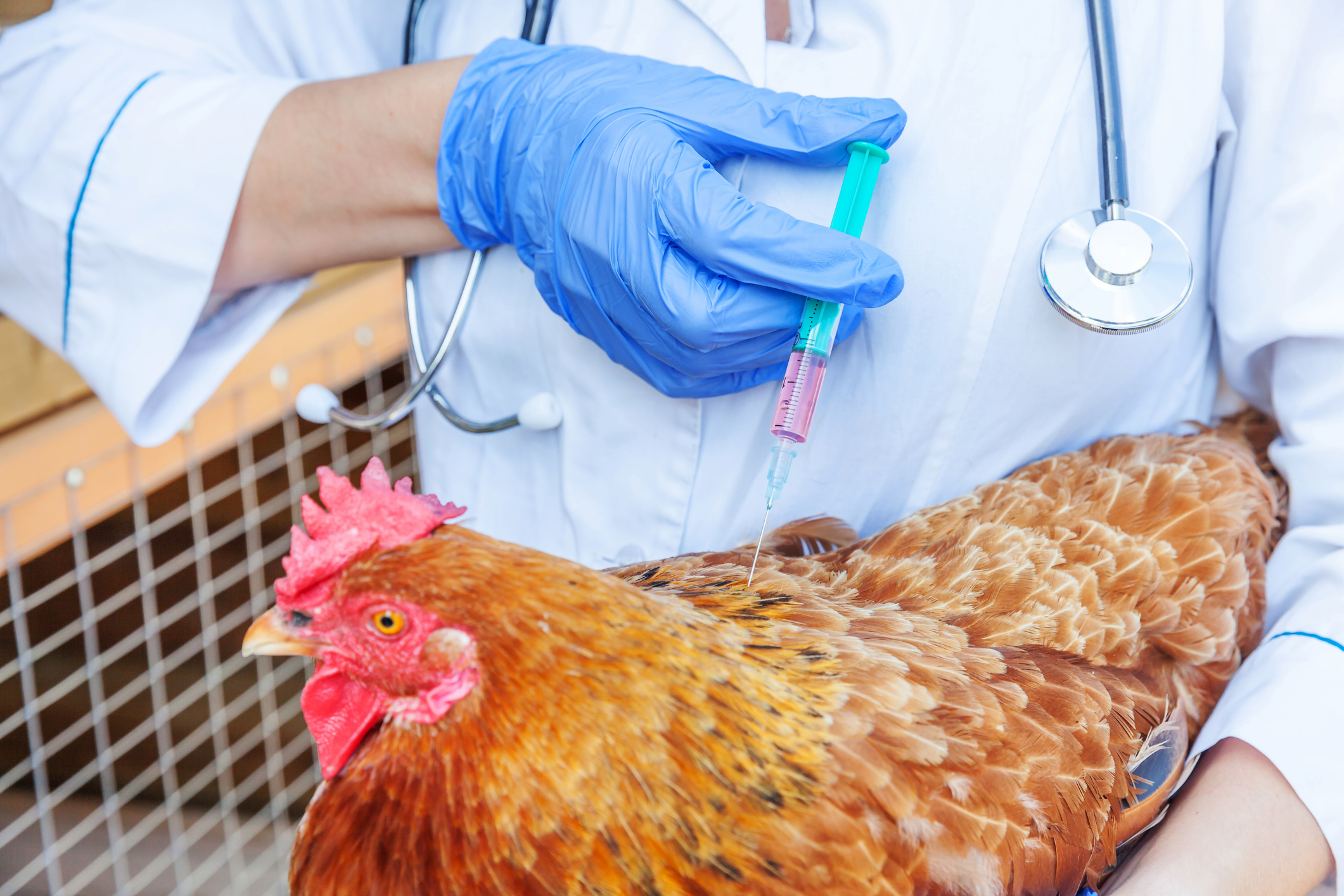
The vaccination schedule for poultry varies depending on the type of bird and the prevalent disease in the region where it is reared. Vaccines prevent and control contagious poultry diseases such as Marek, Gumboro and Newcastle. However, it is advisable to seek medical attention when necessary.
Poultry are domesticated birds (chickens, turkeys, ducks, and geese) kept for eggs or meat. To vaccinate poultry means administering a dead or weakened pathogen to healthy birds in a regulated manner. Consequently, the birds’ immune systems respond to the introduced pathogens by activating an army of cells designed to attack and destroy the invaders.
Broilers are a type of chicken raised for meat. Below are the vaccines you can administer to broiler chicken, their timelines and method of administration.
| Age | Disease/ Vaccine | Method of administration |
| Day1-7 | Ranikhet disease (Newcastle disease) | Spraying/ occulonasal drops |
| Day5-10/Day 18-21 | Marek’s disease | Drinking water. |
| Day 9 | 1st infectious bursal disease (IBD) vaccine. | Intraocular (I/O) as eye drops in drinking water. |
| Day 12 | Newcastle disease (ND) vaccines | Drinking water. |
| Day 14 | Coccidiostat | Drinking water |
| Week 3-4 | Infectious bronchitis | Spraying/ drinking water. |
| Day 16 | 2nd IBD vaccine | Orally |
| Day 18 | Fowlpox | Wing web stab |
| Day 18–21 | Infectious bursal disease | Spraying / drinking water |
| Day 28 | Dewormer | Drinking water |
A layer chicken is an older female chicken kept specifically for egg production. Healthy layers are more productive and profitable. Here is a simple analysis of the vaccination schedule for layers.
| Age | Disease/Vaccine | Method of administration |
| Day 1 | Marek’s disease | On the neck |
| Day 1-7 Week 3-4 Week 8 Week 16-18 | Ranikhet disease | spray/ occulonasal drops/drinking water spray/drinking water Drinking water |
| Day 9 | Newcastle disease | Drinking water |
| Week 3 | Infectious bronchitis Infectious coryza EDS – 76 | Drinking water/ Spray |
| Day 14 | Infectious bursal vaccine (Gumboro) | Drinking water |
| Day 17 | Fowl pox vaccine | Wing web |
| Day 28 | 2nd Gumboro/ IBDV vaccine | Drinking water |
| Day 30 | Deworming | Drinking water/feed |
| Week 4 | 2nd Newcastle disease (NDV) vaccine. | Drinking water |
| Week 10 | 3rd Newcastle disease vaccine. (Komarov strain) | Intramuscular |
| Week 12 | Fowlpox vaccine | Wing web |
| Week 16 | Laryngotracheitis vaccine | Eye drop/spray |
| Week 40 | Infectious bursal disease | Drinking water |

An improved kienyeji chicken refers to an indigenous chicken breed obtained from natural cross-breeding between two superior kienyeji chicken breeds or a kienyeji chicken and an exotic breed. Like other birds, improved kienyeji chicken are vulnerable to a range of diseases that affect their growth. Below is an improved kienyeji chicken vaccination schedule you can apply.
| Age | Vaccine | Method of administration |
| Day 1 | Marek’s disease | Injection |
| Day 7 | Newcastle (1st Dose) | Eye drop or Drinking Water |
| Day 14 | Gumboro (1st Dose) | Drinking Water |
| Day 21 | Gumboro (2nd Dose) | Drinking Water |
| Day 28 | Newcastle (2nd Dose) | Eye drop or Drinking Water |
| Week 6 | Fowl Pox | Injection |
| Week 8 | Fowl Typhoid | Injection |
There are different ways to administer vaccines to poultry in Kenya. Some of these methods are:
Remember, a vaccine is created from a virus in order to treat it. Therefore, you should only administer vaccines to healthy birds. The immune system of a sick bird is already diminished, and it may not have the capacity to fight the virus.