Physical Address
304 North Cardinal St.
Dorchester Center, MA 02124
Physical Address
304 North Cardinal St.
Dorchester Center, MA 02124


Did you know that approximately 50 per cent of onions consumed in Kenya are imported? The locally produced onions are insufficient to meet the current market demand, which makes onion production a lucrative venture. However, before you quickly jump into the opportunity, you should understand the ins and outs of how to do bulb onion farming in Kenya.
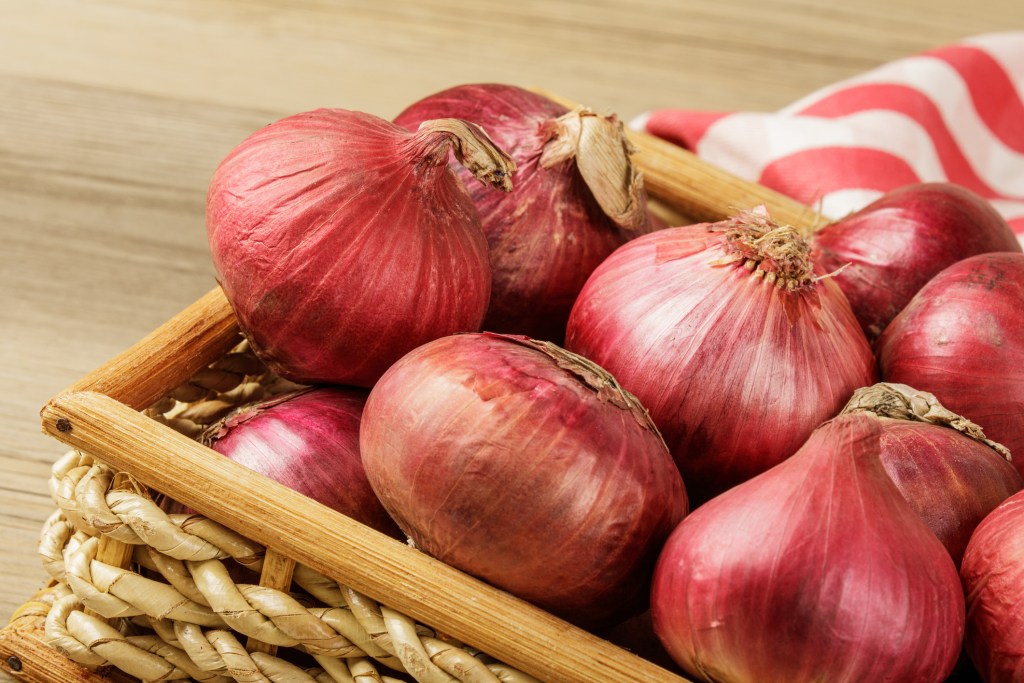
Onion is a primary ingredient in preparing almost all Kenyan dishes, making it a highly demanded product. Even though Kenyan farmers have tried to address the onion deficit in the market, much more is yet to be done. Learning onion-growing tips puts you in the best place to start bulb onion farming in Kenya and capitalise on the high demand.
Would you like to know how to grow onions in Kenya? Like other agricultural ventures, such as tomato farming, onion farming is quite simple, yet it can be complicated if you are not well informed. This guide takes you through this high-value crop’s varieties, best farming practices, profitability, and more.

Not all onion varieties are suitable for cultivation in Kenya, and therefore, variety selection is a crucial consideration for successful onion farming. The choice of onion variety depends on multiple factors, including the prevailing climate, soil type, and market demand. Below are the most popular onion varieties grown in Kenya.
After selecting your preferred onion variety, the next crucial step is preparing the soil for planting. Since the onion seeds are tiny, it is recommended that they be raised in a nursery bed before transplanting them to the field. Generally, onions require well-drained, loamy soils with a pH range between 6.0 and 6.8. You should conduct a soil test to determine your soil’s pH level and nutrient status, which guides fertiliser application rate.
Start land preparation by clearing debris, weeds, and unwanted vegetation. Then, plough and harrow the land to achieve a fine tilth. Make ridges or raised beds on the land to facilitate proper drainage.
You must adhere strictly to the fertiliser schedule for optimum plant nutrition and growth to achieve a high yield. Before planting, apply well-decomposed farm yard manure or compost to enhance soil fertility and structure. The recommended manure application rate is between 10 and 16 tonnes per acre.
Apply a phosphatic fertiliser, such as Diammonium Phosphate (DAP) at the planting stage. The application rate varies depending on your soil’s nutrient status, which a soil test reveals. However, the average application rate is 150-200 kg per acre. Phosphorus is essential for root development.
For top dressing, apply Calcium Ammonium Nitrate (CAN) or Urea between two and three weeks after transplanting. Top dress for the second time when the onions are between six and eight weeks old after transplanting. Top dressing boosts leaf formation and bulb development.
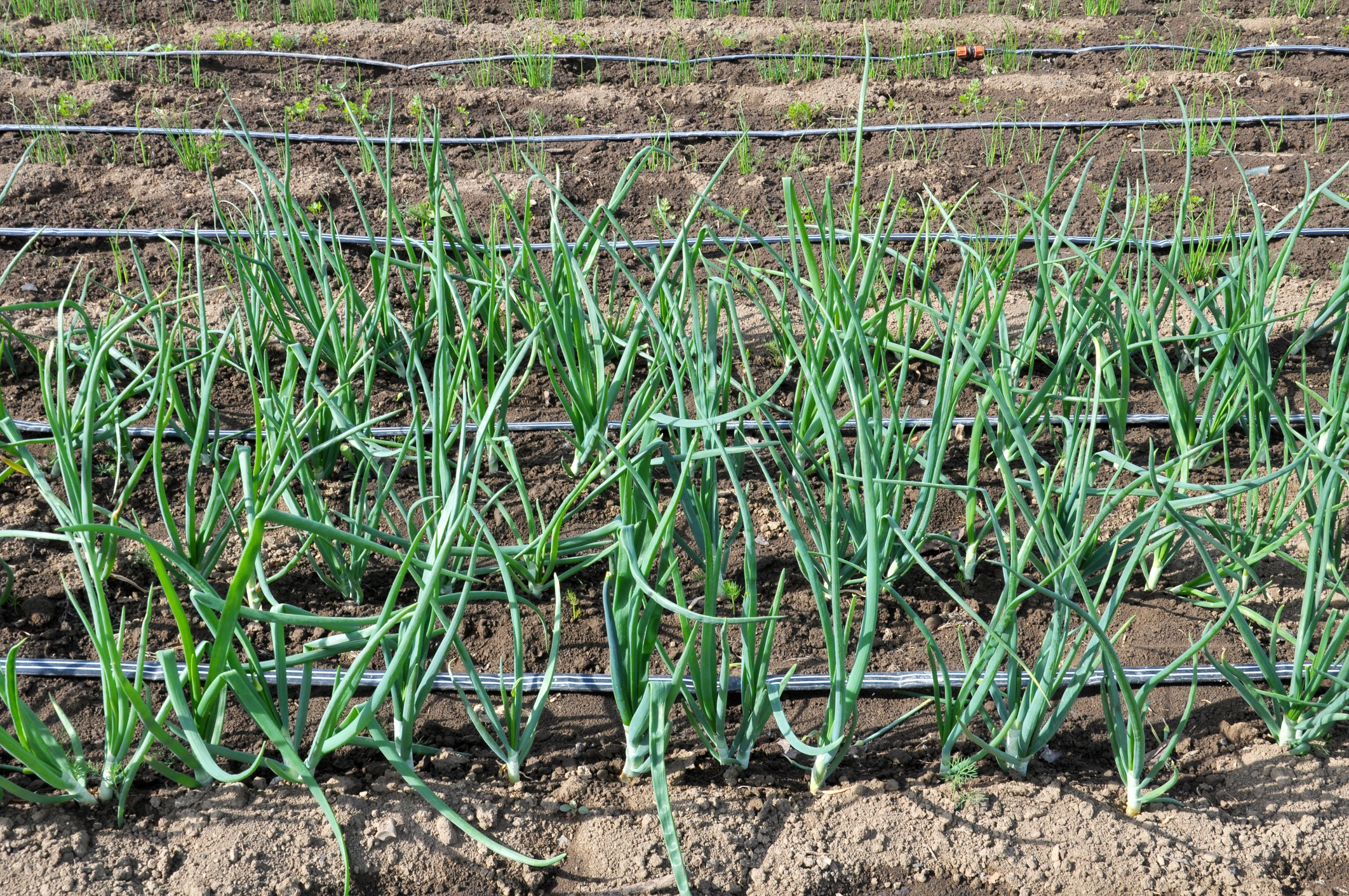
Proper crop management is crucial as it determines the success of your onion farming venture. Below are the main activities to ensure your onions grow properly and yield maximally.
Bulb onions have different maturity periods depending on varieties. Early maturing varieties are ready for harvest 90 days after transplanting, while later maturing varieties take up to 120 days.
What is the bulb onion yield per acre? The average yield of onions per acre varies depending on multiple factors, including farming practices, soil fertility, onion variety, and climate. However, with proper management, the expected yield ranges between 15 and 20 tonnes per acre.
Wondering how profitable onion farming is in Kenya? The average cost per acre of onions is approximately Ksh 350,000. Expected revenue from an acre of bulb onions is Ksh 900,000, assuming that an acre produces 18 tonnes sold at Ksh 50 per kilogram. Therefore, the estimated profit per acre of bulb onion is Ksh 550,000.
Due to high market demand, bulb onion farming in Kenya is a lucrative venture. However, to achieve a high yield and the best returns, every aspect must be right. Every stage is crucial, from variety selection to planting, crop management, sales, and marketing.
Are you interested in tomato farming but do not know how to start? Here is a detailed guide on tomato farming in Kenya, including varieties, ecological conditions, yield, and profitability.





[…] being a profitable agribusiness, pig farming also has various challenges. Below are some of the common challenges farmers encounter […]
[…] most convenient method of capsicum farming. They enhance the quality of the crops while maximising yield per acre. The recommended size of your greenhouse is 8 meters by 15 […]