Physical Address
304 North Cardinal St.
Dorchester Center, MA 02124
Physical Address
304 North Cardinal St.
Dorchester Center, MA 02124

Have you ever wondered what the pillar of agricultural research in Kenya is? Tegemeo Institute of Agricultural Policy and Development plays a key role in conducting essential research and providing policy recommendations. What is the history and mandate of this institute?

Did you know that agricultural research is essential for sustainable and inclusive agricultural development? Research generates new technologies and improved policies. One of the most reputable research institutes in Kenya is the Tegemeo Institute of Agricultural Policy and Development.
This is a policy research institute under the Division of Research and Extension of Egerton University. Its mandate is to conduct policy research and objectively disseminate findings. Its vision is “A people forever free from hunger and poverty.”
The Tegemeo Institute of Agricultural Policy and Development began research in 2012. The Government of Kenya introduced a Value Added Tax (VAT) bill that proposed a tariff on agricultural inputs like seeds, animal feeds, and fertilisers. The institute conducted an assessment of poultry farmers to determine how they would be affected by the proposed 16 per cent VAT on animal feeds.
Their study revealed that the tax forced manufacturers to raise their feed prices, which would then be passed on to the consumers, resulting in a 70 -100 per cent decline in profits. Additionally, the imposed VAT caused Kenyan farmers to lose their competitiveness, hence leading to the importation of cheap imports. The long-term effects were loss of employment, poverty, and lack of nutrition.
Tegemeo Institute then shared these results with the Government of Kenya, the parliamentary committee on agriculture, the private sector, civil society representatives, consumers, and other stakeholders in October 2013. It recommended that the VAT on animal feeds be reversed, and it was later gazetted that animal feeds and the raw materials used in their preparation would be exempt from VAT.

The following are some of the major responsibilities of the research institute:
The main aim of conducting policy research is to inform and guide government and stakeholder interventions in the agricultural sector. Some of the major areas of study include crop and livestock value chain analysis, analysis of food/commodity prices and productivity, use of fertiliser and improved seeds and climate variability.
The Tegemeo Institute informs public and private sector stakeholders and development agencies regarding promising policy and investment opportunities that promote rural incomes and food security in Kenya.
This is done through short and long-term training focused on survey design and implementation, data collection, management and analysis, and policy analysis.
The institute collects and analyses household-level data on rural families. It monitors changes in productivity, income, poverty, food security, and nutrition.
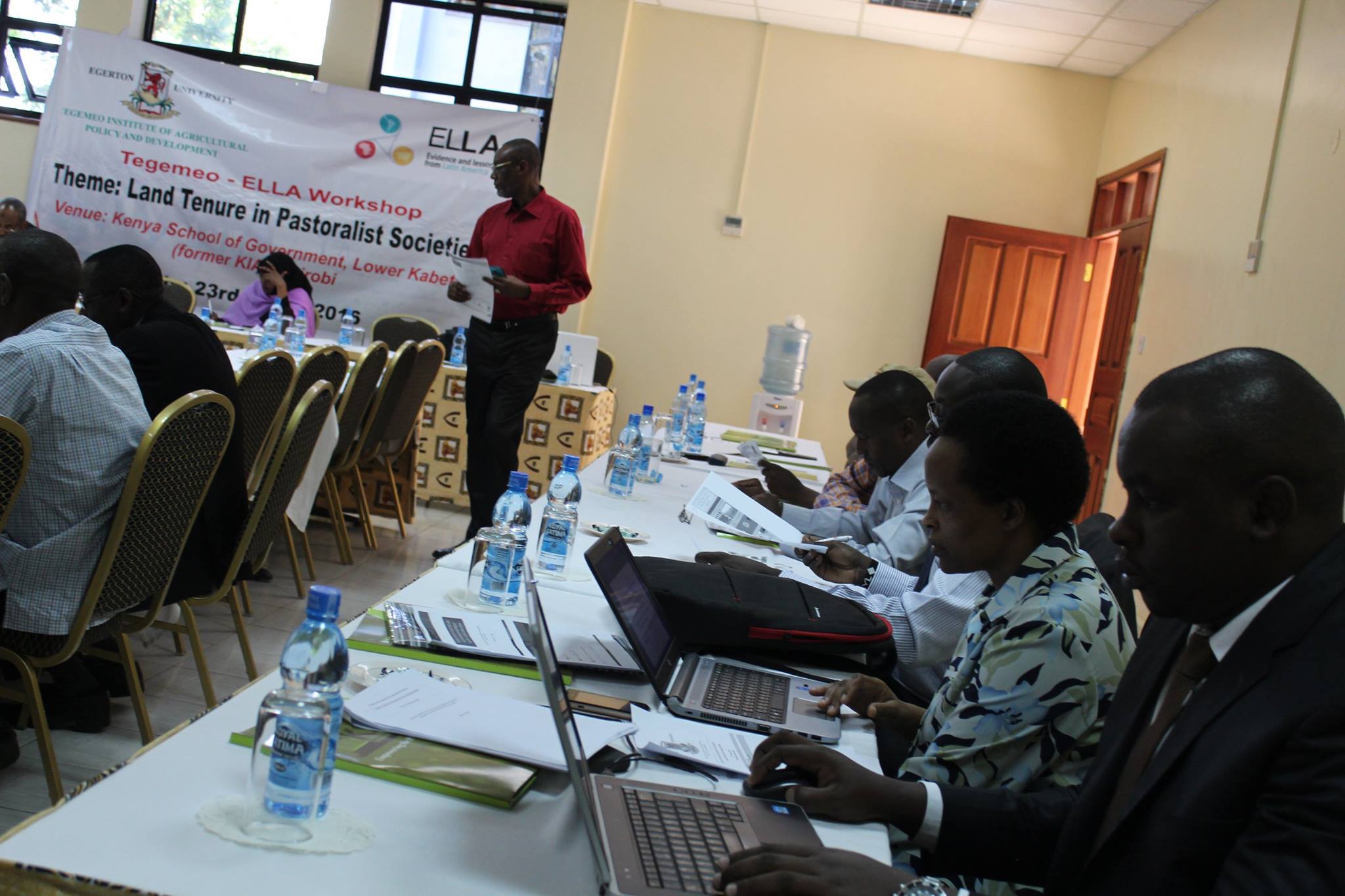
The agricultural policy in Kenya revolves around the highlighted main goals.
Incase you have queries or want to make inquiries about the organization, you can reach the through the following contact information:
The organization is a potential employer for various professionals, including researchers and experts in agriculture. If you are interested in an employment opportunity at the organization, you can check the available vacancies on its official website.
Agriculture is the largest sector in Kenya’s economy. In efforts to improve the sector and make it sustainable, other research organisations have been established. In addition to Tegemeo Institute, notable agricultural research organisations in Kenya include:
As seen above, the Tegemeo Institute of Agricultural Policy and Development plays a vital role in shaping Kenya’s agricultural future. The next time you think about the progress in Kenya’s agriculture, you can as well appreciate the hard work of this research institute. Is it not great to know that the future of agriculture is being carefully nurtured for you and your future generations?





[…] is a policy research institute under the Division of Research and Extension of Egerton University. The institute conducts policy […]