Physical Address
304 North Cardinal St.
Dorchester Center, MA 02124
Physical Address
304 North Cardinal St.
Dorchester Center, MA 02124

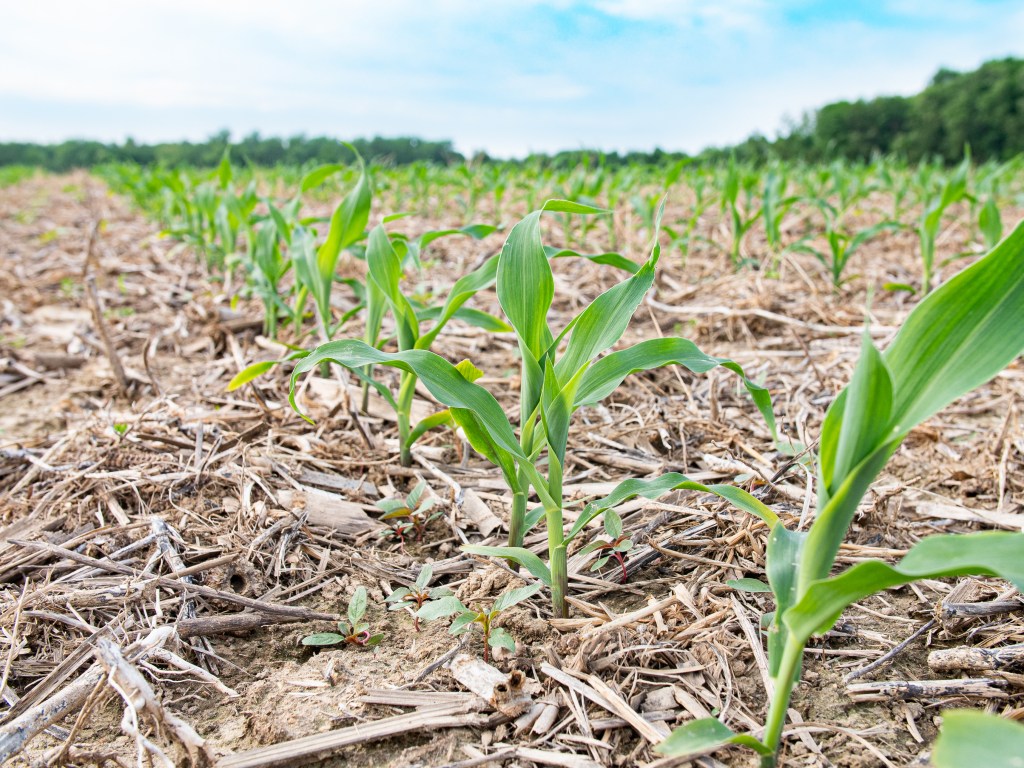
Kenya’s fertile lands have long been the life of agriculture. However, years of intensive farming have taken their toll. A new movement is emerging to curb growing concerns of soil erosion, biodiversity loss, and climate change. Regenerative agriculture transforms how farmers tackle land use by offering a sustainable way to nurture crops, restore ecosystems, and improve yields. So, what are regenerative agriculture practices?
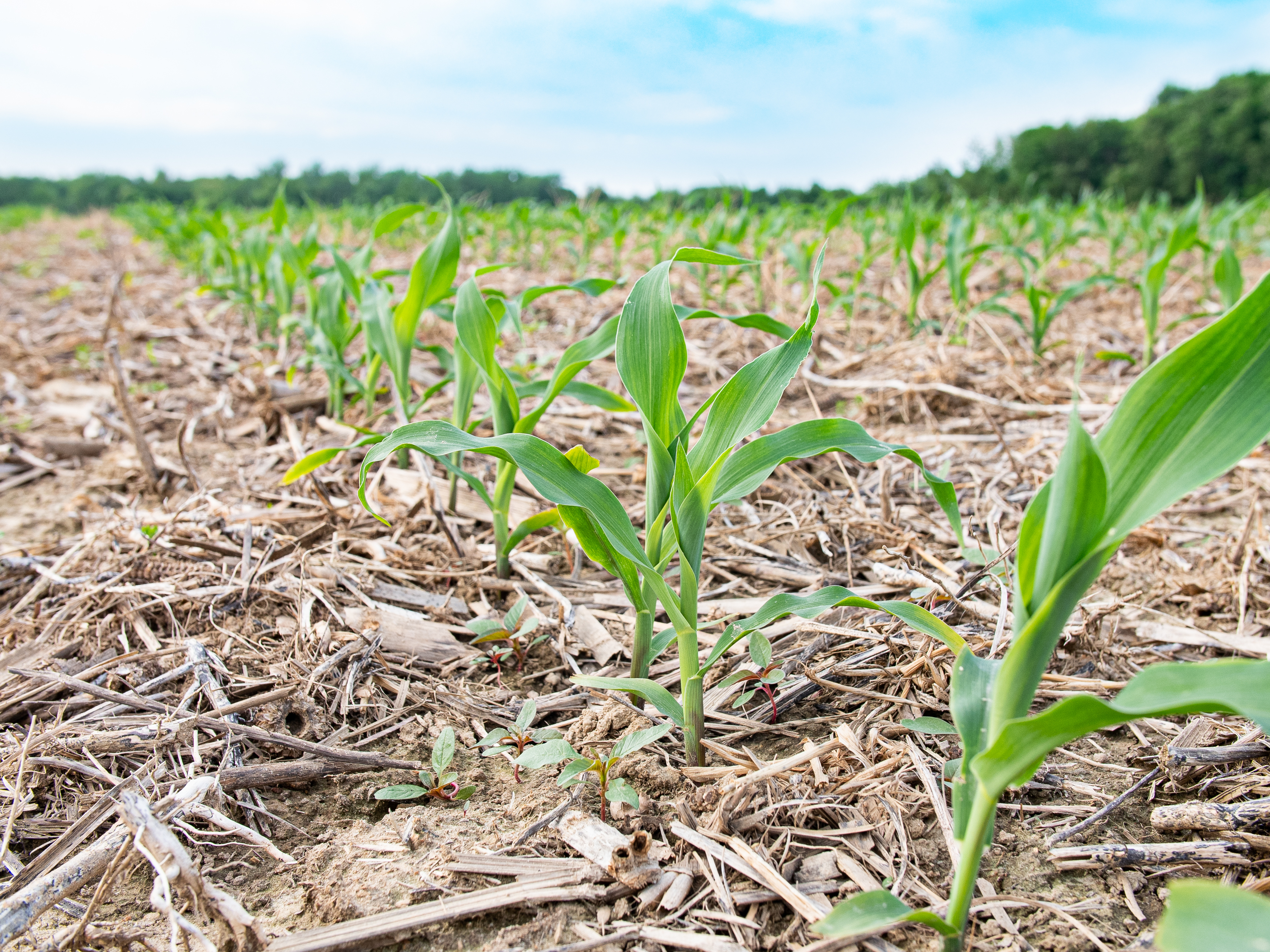
By embracing nature-based solutions, Kenyan farmers are finding ways to increase productivity without depleting the soil. This shift from conventional farming methods is not just about yields; the burning question arises: ‘What are regenerative agriculture practices?’ Here is a comprehensive overview of the practices and their benefits.
Regenerative agriculture involves various techniques designed to restore soil health and enhance biodiversity. Unlike conventional methods, which often strip the soil of its natural richness, these practices focus on rejuvenating the land and promoting sustainable productivity. Here are some of the regenerative agriculture practices in Kenya.
Cover crops like legumes are planted between main cropping seasons to protect the soil from erosion, improve organic matter, and suppress weeds. This practice is crucial in areas like central Kenya, where soil erosion on slopes is common. It also replenishes nitrogen levels, enhancing soil fertility.
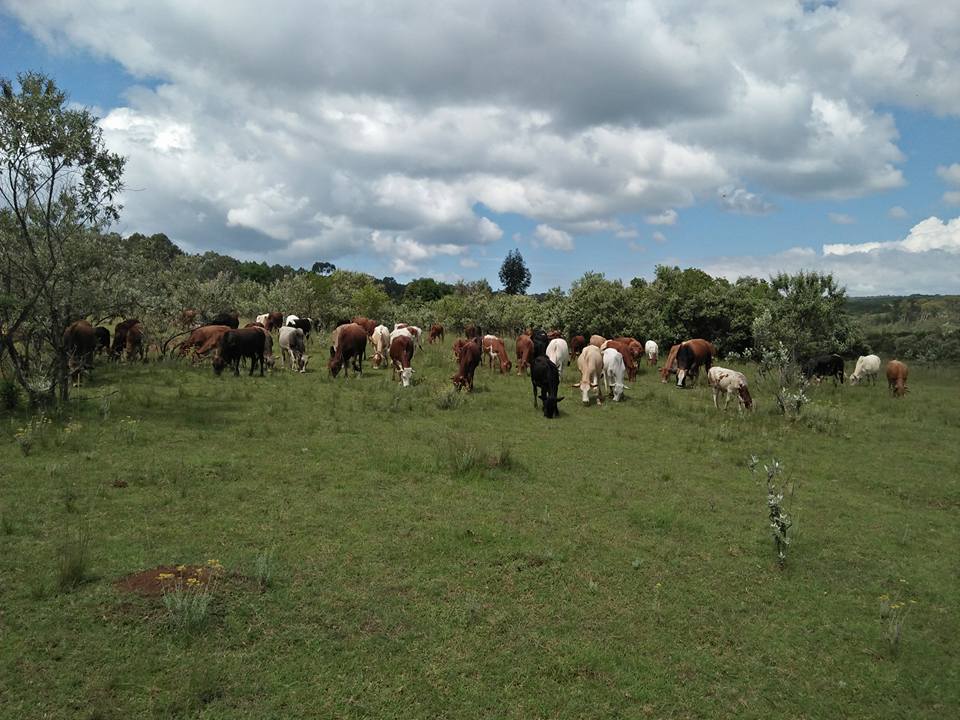
You can integrate livestock on your farm through rotational grazing or manure to improve soil fertility and diversify your farm output. Rotational grazing systems optimise pasture growth by allowing grasslands to recover, preventing overgrazing. This method helps maintain soil nutrients while creating a balanced ecosystem.
This involves recycling organic waste, like crop residues and animal manure. It is beneficial in dry areas like Kitui, where soil fertility is often poor. Compost helps enhance soil structure and moisture retention.
Organic fertilisers, derived from natural sources like manure and bone meal, slowly release nutrients and improve soil health. In counties like Nakuru, farmers use them to boost crop yields without the harmful effects of synthetic inputs.
Introducing diverse plant species, trees, and animals into farm systems encourages natural pest control and improves soil health. Coastal regions such as Kilifi benefit from biodiversity enhancement, where varied species can withstand harsh environmental conditions.

Applying organic materials like dry leaves to the soil surface conserves moisture, reduces weed growth, and enhances organic content. Mulching is particularly effective in dry regions like Machakos, where water conservation is critical for crop survival.
Reducing tillage helps maintain soil structure, prevent erosion, and preserve organic matter. In areas like Kakamega, western Kenya, where heavy rains cause significant soil erosion, minimum tillage is vital for maintaining productive soils.
The integration of trees with crops and livestock enhances soil fertility, provides shade, and reduces land degradation. This practice thrives in Mount Kenya regions, where trees like grevillea offer additional income through timber and reduce soil erosion.
Techniques like terracing, water retention ditches, and rainwater harvesting ensure efficient water use. Water conservation is crucial in arid and semi-arid areas like Laikipia, where rainfall is scarce, and agriculture depends on capturing and storing water.
To best practice regenerative agriculture, you should be conversant with its principles. The five principles of regenerative farming are highlighted below.
Disturbing the soil less, either by ploughing or using chemicals, helps protect the tiny organisms living in it. Ploughing may release nutrients quickly but also destroys the living organisms in the top soil layers. Heavy fertilisers and pesticides can upset the balance of the soil, especially if too much nitrogen is used.
Growing a variety of plants helps support a range of soil organisms. Companion cropping, where different crops grow together, is one way to do this. Rotating crops also keeps the soil healthy and reduces weeds and diseases. Some farmers grow crops alongside clover, which stays low to the ground and helps feed the soil.
Covering the soil with plants or mulch helps protect it from rain damage. It also keeps the soil from getting too hot in summer or too cold in winter, which is better for healthy soil.
Keeping plants growing in the soil as much as possible helps keep the underground ecosystem alive. Plants take in carbon dioxide and turn it into sugars, which feed the bacteria and fungi in the soil. Cover crops are an excellent way to ensure the soil stays covered and healthy when it might otherwise be bare.
Livestock can help regenerate soil by increasing the number of living organisms in it. Adding animals like cows, sheep, or chickens improves soil biodiversity and diversifies farm income. A mix of different animals can further boost soil fertility and overall farm health.
Regenerative farming refers to agricultural practices that restore and enhance the health of the ecosystem, particularly the soil. Instead of degrading land through the overuse of chemicals and intensive tilling, regenerative farming replenishes nutrients, improves biodiversity, and increases resilience to climate extremes.
Crops that enhance soil fertility and structure are ideal for regenerative farming. Some of the exemplary crops for regenerative farming include:
Regenerative agriculture in Kenya responds to the challenges of soil degradation, water scarcity, and climate change. Farmers are adopting techniques like agroforestry, cover cropping, and livestock integration to rebuild their soils.
Agroforestry is an example of a regenerative agricultural practice. It involves planting trees together with crops and animals to help each other grow and thrive.
Regenerative agriculture can be crucial in mitigating climate change by segregating enormous amounts of carbon in the soil. Furthermore, planting trees through agroforestry attracts heavy rainfall, curbing water deprivation in the soil while reversing climate.
As Kenyan farmers face the pressing challenges of climate change and soil degradation, regenerative agriculture offers the ultimate solution. By applying the above techniques, you can rebuild your land and ensure sustainable food production for future generations.





[…] organic mulch around the base of the trees to retain soil moisture, regulate temperature, and suppress weed […]