Physical Address
304 North Cardinal St.
Dorchester Center, MA 02124
Physical Address
304 North Cardinal St.
Dorchester Center, MA 02124

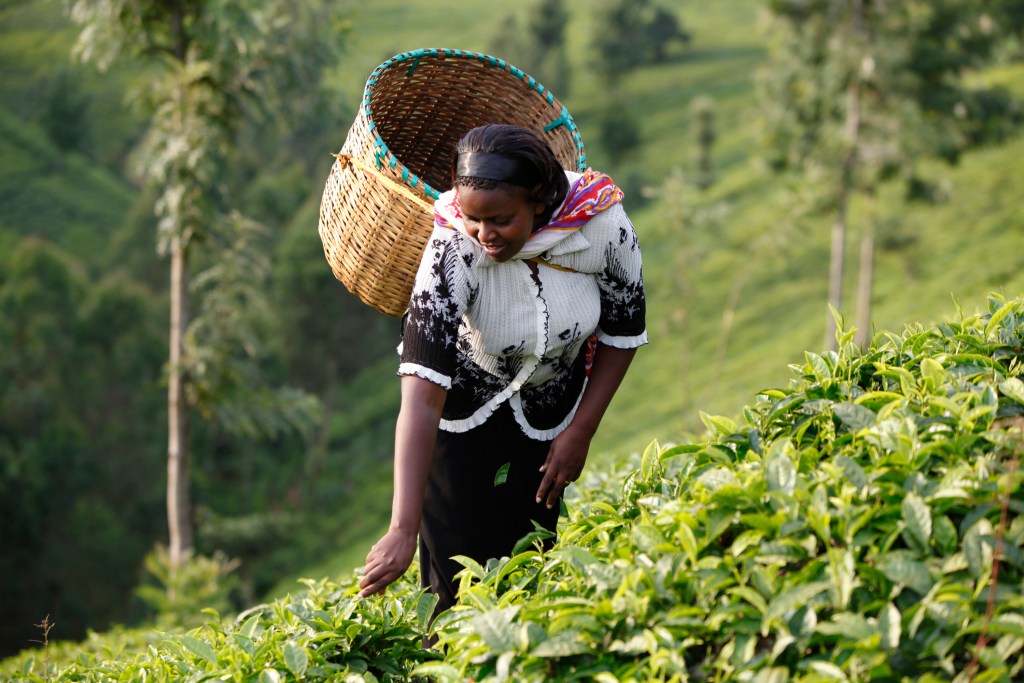
What are the objectives of agricultural policy in Kenya? At its core, agricultural policy aims to boost productivity and promote income growth, particularly for small-scale farmers. But, what factors shape these policies, and how do they impact the day-to-day lives of Kenyan farmers?

Did you know that agriculture is the backbone of Kenya’s economy? The government has been involved in supporting farmers’ livelihoods and food security through agricultural policies. They address different agricultural challenges by giving guidelines to the national and county governments.
Agricultural policies aim to improve the living conditions of the rural population while seeking to reduce environmental impacts. Below are some of the objectives of national agricultural policy in Kenya.
According to OECD ilibrary, agricultural policy describes the laws, instruments and measures related to the domestic farm sector and trade in agricultural products. It encompasses a wide range of issues, including providing sufficient food at reasonable prices for consumers, securing food safety and improving environmental quality.
Kenyan agriculture had a bimodal structure under British colonial agricultural policy. The best land was reserved for European ownership and used to produce commercial crops for export. The main crops were coffee and tea. However, African farmers were part of a subsistence sector that produced mainly food products.
These farmers were excluded from the best farmland, from producing profitable cash crops and from keeping improved livestock breeds. Their average subsistence holding was 2 hectares, compared with the European farm of about 800 hectares. Fortunately, the Mau Mau rebellion drove the change in policy, allowing African farmers to own individual land.
The farmers were now encouraged to produce cash crops and livestock. Smallholders rapidly adopted the production of coffee, livestock, and tea. Other policy changes instituted were the expansion of credit and the reorientation of research, extension, and marketing organisations.
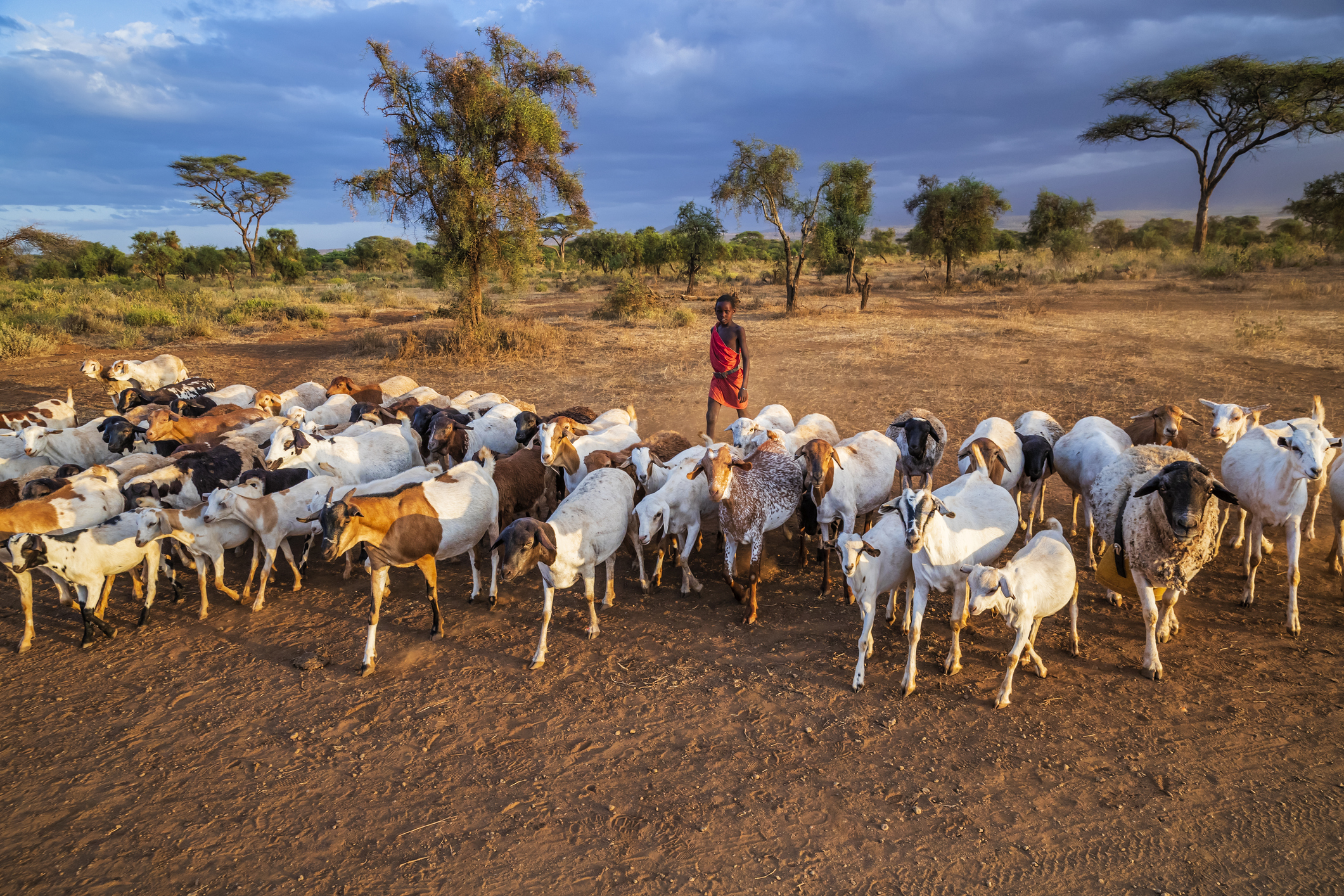
Agricultural policy was an essential part of economic policy in the post-independence period. Its main elements were the promotion of cash crop cultivation and land transfer programmes to change the ownership structure from that under colonial rule.
Other policy changes that took place in the immediate post-independence period included projects in integrated rural development and livestock production in arid and semi-arid areas. However, output growth from these was limited, and policies continued to favour large farms, export crops, and farming in high-potential areas.
Agricultural policies entail government decisions that influence the level and stability of input and output prices, costs and revenues and resource allocation. These policies affect agriculture either directly or indirectly. Some of the examples of agricultural policies in Kenya include:
Agricultural policies in Kenya address various challenges that farmers encounter. Some of these challenges include:
Government policies in Kenya provide extension services, irrigation investments, rural infrastructure, and input subsidies. They also influence the costs, revenues and allocation of resources. As a result, this improves productivity and increases farmers’ incomes.
It is a policy research institute under the Division of Research and Extension of Egerton University. The institute conducts policy research, outreach, and advocacy and monitors trends and patterns in rural livelihoods.
What are the objectives of agricultural policy in Kenya? As seen above, agricultural policies revolve around ensuring food security and environmental sustainability, among other goals. If Kenya aligns these objectives with the needs of farmers, a more resilient agricultural sector is guaranteed.





[…] with agricultural policies, trade regulations and […]