Physical Address
304 North Cardinal St.
Dorchester Center, MA 02124
Physical Address
304 North Cardinal St.
Dorchester Center, MA 02124

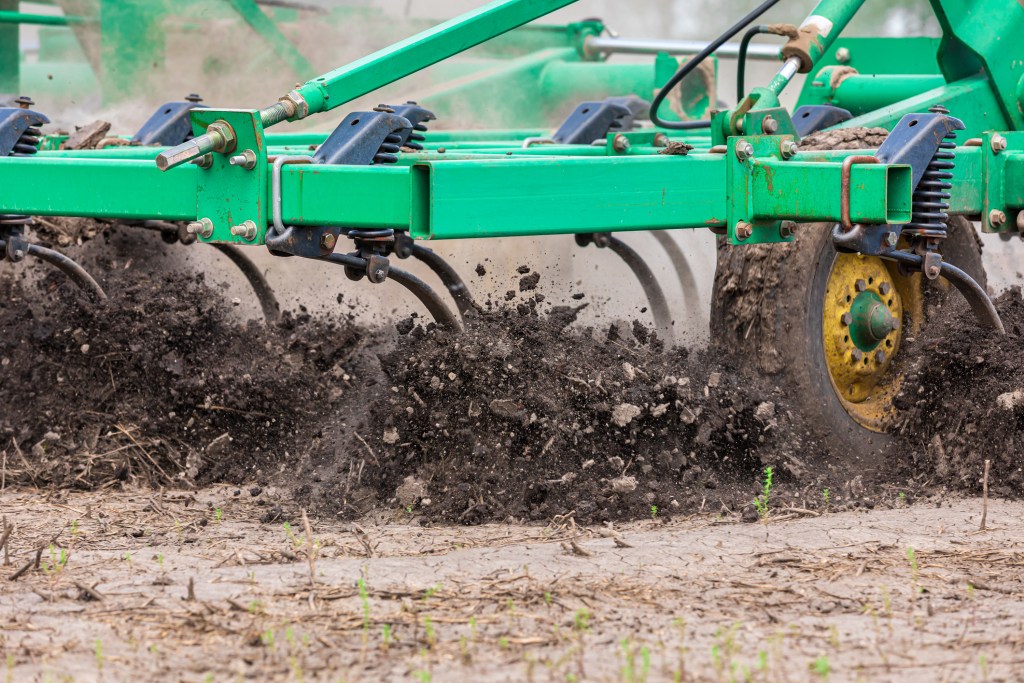
What is minimum tillage in Agriculture? Minimum or reduced tillage is cultivating land using mechanical methods other than ploughing to minimise soil disturbance. Excessive ploughing and harrowing can cause environmental consequences, such as runoff of nutrients and pesticides, soil erosion and reduced organic matter. Consequently, minimum tillage is one of the most sustainable practices you should consider for a bumper harvest. So, what exactly is the importance of minimum tillage?

Kenyan farmers are currently facing growing challenges from climate change and soil degradation. Soil health has proved crucial to maximising yields. Therefore, knowing the best practices to preserve soil structure and minimise crop disturbance is vital.
Minimum tillage plays a vital role in promoting sustainable agriculture. It improves water retention and reduces the need for chemical inputs. This approach is crucial for maintaining fertile lands and ensuring future food security.
Minimum tillage includes a variety of methods, each aimed at reducing soil disturbance while preparing it for planting. Here are some common approaches:
This method disturbs only a narrow strip of soil where seeds will be planted, leaving the rest of the field undisturbed. Strip tillage reduces erosion while efficiently preparing the seedbed.
Here, the crops are planted on raised ridges created in the previous season, with minimal soil disturbance in between the ridges. This approach improves the drainage and can help control weeds.
This approach involves leaving crop residues on the surface while tilling the soil minimally, usually just enough to prepare for planting. The organic matter left on the surface improves soil health and reduces erosion.
No-till farming involves planting seeds directly into the soil without any prior tillage. Crop residues are left intact, which helps maintain soil structure and moisture.
This involves rotating blades to work the ground just enough to prepare a seedbed while avoiding deeper disturbance. This method helps break up surface crusts without affecting the soil’s deeper layers.
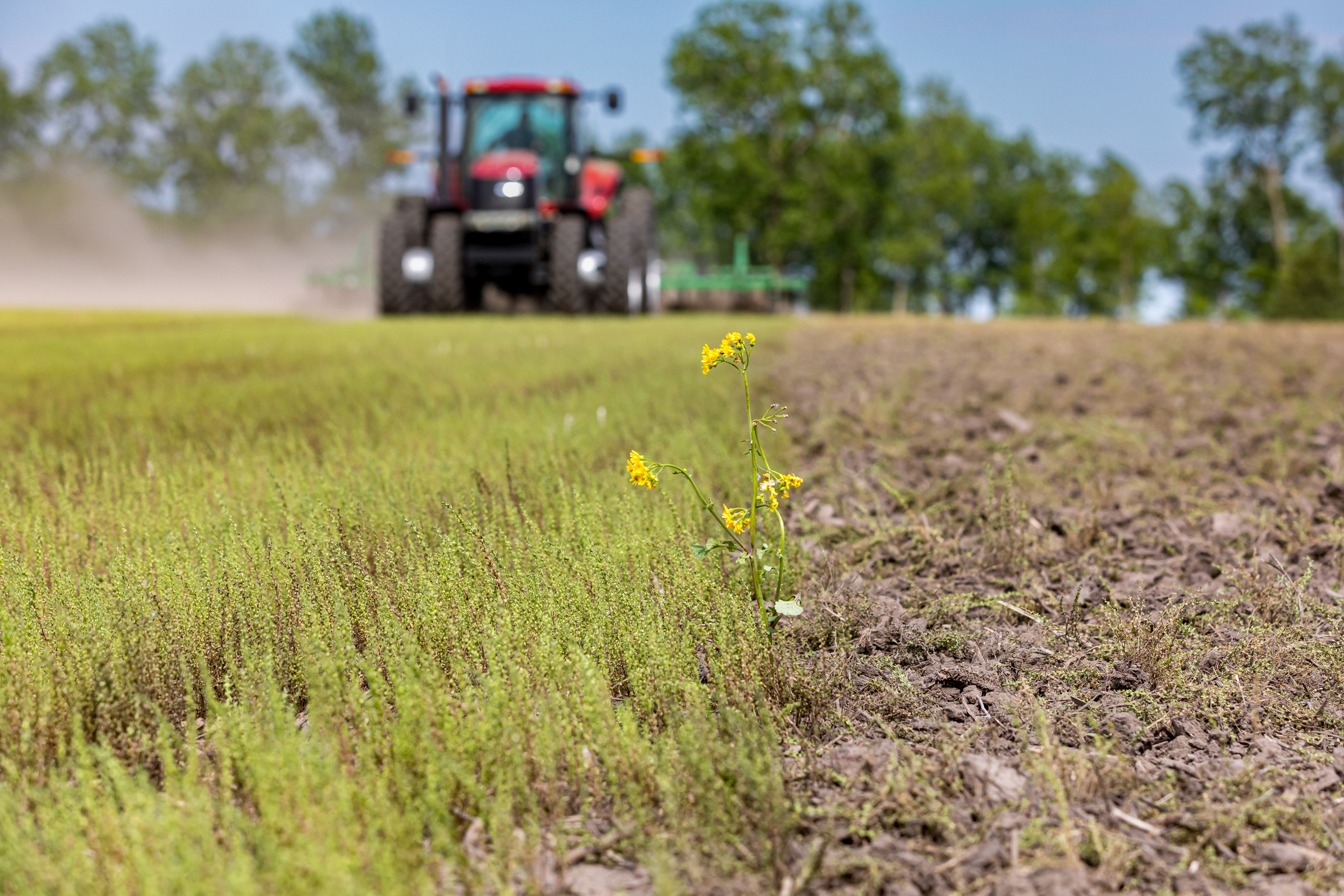
While minimum tillage is increasingly considered a sustainable farming method, it has pros and cons. Understanding its advantages and disadvantages can help farmers make informed decisions about adopting this practice.
Below are some advantages of practising minimum tillage as a mode of soil preservation.
While minimum tillage has many pros, there is no shortage of disadvantages. Check out some of the challenges associated with minimum tillage.
When comparing minimum tillage to conventional tillage, you should consider soil health, costs, and long-term sustainability factors. Here is a breakdown of the differences between minimum tillage and conventional tillage:
| Factors to consider | Minimum tillage | Conventional tillage |
| Soil disturbance | Minimal soil disturbance; only the top layer is disturbed or left intact. | Extensive soil disturbance, often through deep ploughing. |
| Erosion control | Reduces soil erosion by keeping crop residues on the surface. | It may require specialised fertilisers. |
| Weed control | Requires careful weed management. | Easier weed control through regular soil turnover and burial. |
| Fuel and labour costs | Lower fuel and labour costs due to fewer field passes. | Higher fuel and labour costs due to more intensive field operations. |
| Moisture retention | Retains soil moisture due to less disturbance and residue cover. | Lower moisture retention as the soil is exposed and more prone to drying out. |
| Adoption and equipment costs | It breaks up soil structure, which can lead to compaction over time. | Requires conventional equipment, with potentially higher operational costs. |
| Crop residue management | Crop residues are left on the surface, improving soil health. | Crop residues are often buried or removed, reducing organic matter. |
| Soil structure | Preserves natural soil structure and enhances organic matter. | It may require specialised fertilisers. |
| Nutrient cycling | Promotes natural nutrient cycling by maintaining organic matter. | May require specialised fertilisers. |

Minimum tillage’s primary role is to conserve the soil’s structure and fertility. It promotes natural processes like organic decomposition and nutrient cycling, which support healthy crop growth. Additionally, it helps reduce carbon emissions by limiting fuel usage in farming operations.
Weeds can be a significant challenge in minimum tillage because the soil is not frequently turned over to bury them. However, timely weed management practices, like using herbicides, hand-pulling, or slashing, are critical to ensure that weeds do not compete with crops for nutrients and sunlight.
With the above comprehensive overview, you now know the importance of minimum tillage and why you should consider it an ideal farm practice. Remember that while minimum tillage offers numerous benefits, it may require weed management and equipment adjustments.





[…] matter. In areas like Kakamega, western Kenya, where heavy rains cause significant soil erosion, minimum tillage is vital for maintaining productive […]