Physical Address
304 North Cardinal St.
Dorchester Center, MA 02124
Physical Address
304 North Cardinal St.
Dorchester Center, MA 02124

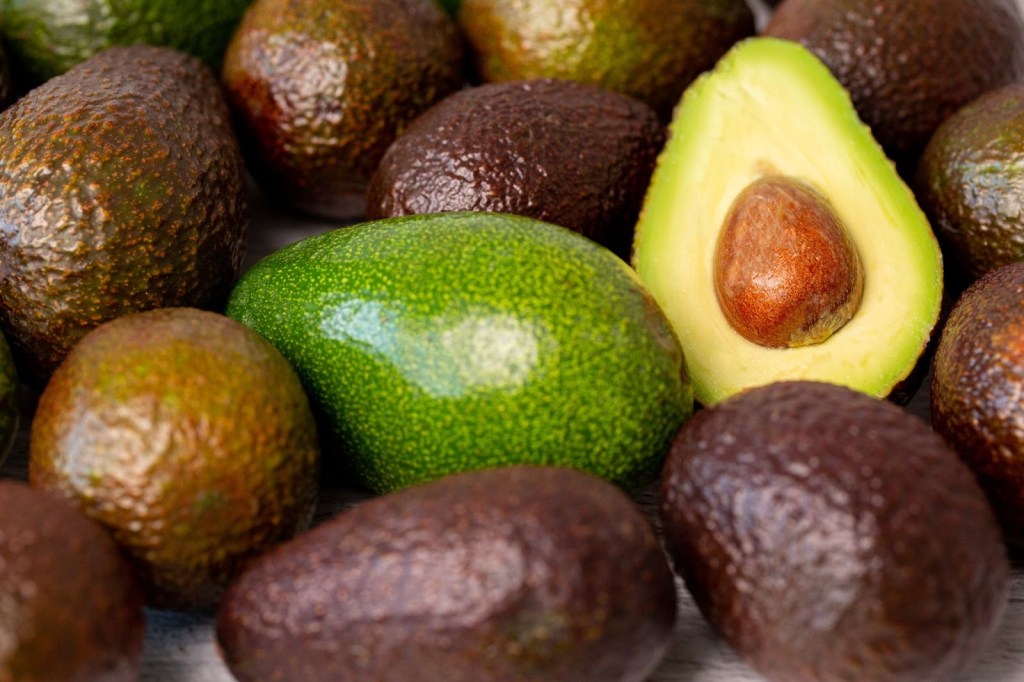
Hass avocado farming is a popular venture amongst farmers. A well-managed farm can earn a farmer about Ksh. 400,000 to 1 million per acre. The demand for Hass avocados is there, not only in the domestic market but also globally.
Kenya has risen in the ranks as a global exporter of Hass avocados. This accomplishment is due to the ideal equatorial climate, rich volcanic soils, and a strategic shift toward the Hass variety.
Many now call Hass avocado “green gold.” But with the money comes a clear reality: quality decides everything. To earn consistently from this fruit, farmers must focus on producing export-grade avocados and protecting quality from the farm all the way to the market.
Global demand for Hass avocado is expected to remain strong through 2026. Buyers in Europe, China, and the Middle East prefer Hass because of its high oil content, which gives it a rich, buttery texture and a nutty flavour.
Hass avocados also come with a thick, pebbly skin that changes from green to purplish-black as the fruit ripens. That tougher skin acts like natural armour and helps the fruit withstand long-distance shipping better than thinner-skinned varieties such as Fuerte.
The financial rewards also make the difference clear: while local prices often range from Ksh 10 to 20 per fruit, export-grade Hass can fetch up to Ksh 150 per kilogram, creating strong profit potential for growers who meet quality standards.
A profitable avocado venture starts with a strong foundation. Farmers should start small and scale up, especially if they plan to target export markets where standards remain strict and consistent.
Site selection and soil preparation matter. Avocados thrive in deep, well-drained sandy or loamy soils, and farmers should run a soil test before planting. Hass performs best in a pH range of 5.5 to 7.0.
Farmers should also plant clean, certified, grafted seedlings from reputable nurseries. Grafted trees handle stress better and reach maturity faster than trees grown from seeds.
Commercial orchards often use spacing of 5×5 or 6×6 metres. Good spacing prevents overcrowding and reduces competition for water, sunlight, and nutrients—competition that can stunt growth and reduce yields. With this spacing, farmers can plant roughly 80 to 150 trees per acre.
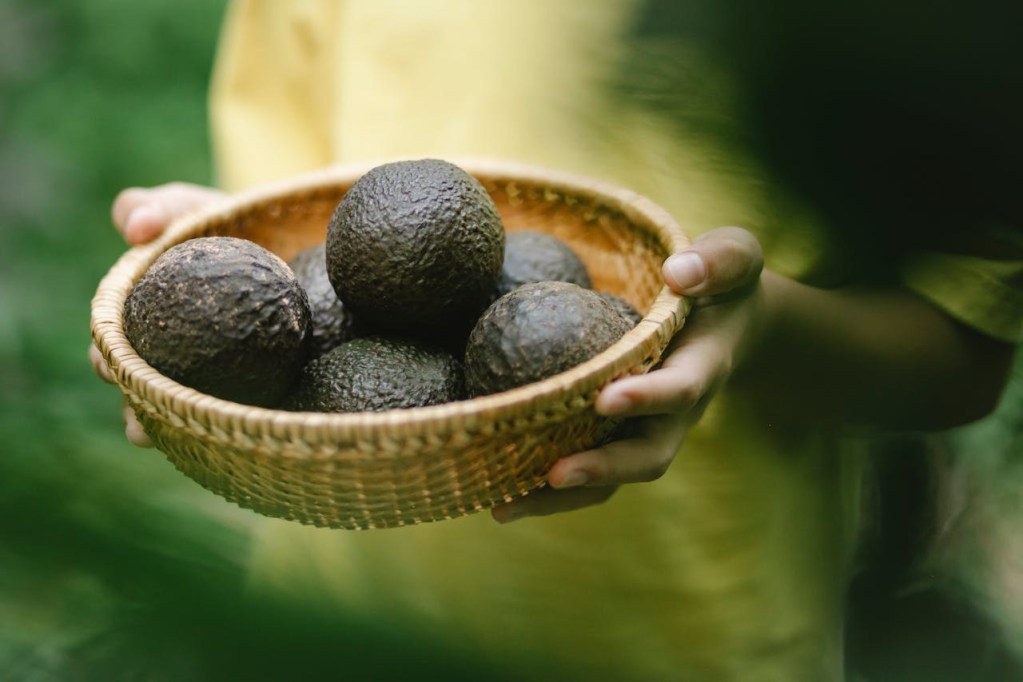
Modern, sustainable techniques help farmers achieve high yields while protecting long-term productivity. During the early seedling stage, it is essential that farmers use drip irrigation as young plants need a steady water supply. Drip irrigation delivers water efficiently and reduces waste.
Farmers can also improve soil health by adding organic matter and applying phosphorus, which supports faster root development. Pruning and mulching also play a key role.
Pruning improves light penetration and encourages fruit production, while mulching suppresses weeds and helps the soil retain moisture. During transplanting, farmers should hill seedlings properly to strengthen establishment from day one.
Although Hass trees are generally hardy, they can suffer from pests such as the persea mite, which causes yellow-to-brown spotting on leaves. Farmers should rely on Integrated Pest Management (IPM) and regular monitoring so they can control infestations early using targeted interventions.
The “revolution” in Kenyan avocado farming is now centered on post-harvest handling. Hass trees typically begin bearing fruit within 1.5 to 3 years, reaching peak production at five to seven years. A healthy, mature tree can produce between 300 and 1,000 avocados per season.
However, export markets leave little room for error. Farmers must meet strict quality standards by monitoring maturity and harvesting only when fruit reaches full maturity. Mature fruit ripens properly and avoids shrivelling.
Handling also determines whether fruit qualifies for export. Farmers should use proper tools such as clippers, leave a small stem on the fruit, and avoid dropping avocados because bruising can disqualify an entire harvest from the export pool.
Post-harvest losses can drain income fast. Farmers can reduce losses through rapid cooling, careful handling, and proper storage—steps that protect fruit integrity and extend shelf life.
Farmers stand to gain significant ROI by incorporating sustainable practices that ensure they harvest high-quality Hass avocados. The future is bright as the government continues to negotiate better trade agreements and streamline certifications such as Global G.A.P. Quality produce helps farmers secure their place in the competitive, multi-billion-shilling global industry.